I had difficulty falling back asleep after waking up around 3:30 in the morning. I had a few things in my mind so I fired up ChatGPT. Dear reader, I beg your forbearance as you’ll notice I jumped around in the interrogations. It was intentional. It’s my first time with ChatGPT and I wanted to […]
The Republican Party is betting that America is more homophobic, racist and sexist so their path to attaining and retaining power is to play to our nation’s basest instincts. “The American political system is so slanted toward the overrepresentation of the Republican Party’s core supporters, rural and exurban conservatives, that even when their views and […]
The currents of history—especially when we Americans struggle in the swirl of our shared BLACK HISTORY—is never constant, its ebbs and flows often clashing with the sensibilities of the age. As we appraise anew our BLACK HISTORY, our society must come together to teach today’s children what exactly we mean when we talk about JUSTICE and EQUALITY. The persistence, for instance, of stark […]
Despite employing arguably the best football coach in the world, stocking its rosters with the world’s best players, gaining a stranglehold on the English Premier League titles for last decade-plus, Manchester City F.C. often projects the aura of inauthenticity. Manchester United, moribund for nearly as long as City has been ascendant, has the mystique of […]
The situation surrounding George Santos—whose identity, even at this late date, we’re still not sure of, what his purpose is, and who exactly is behind installing him in our government—sets me thinking. Why not make people elected to Congress undergo Top Secret Security Clearance? Our democracy is in an existential crisis, especially because one of […]
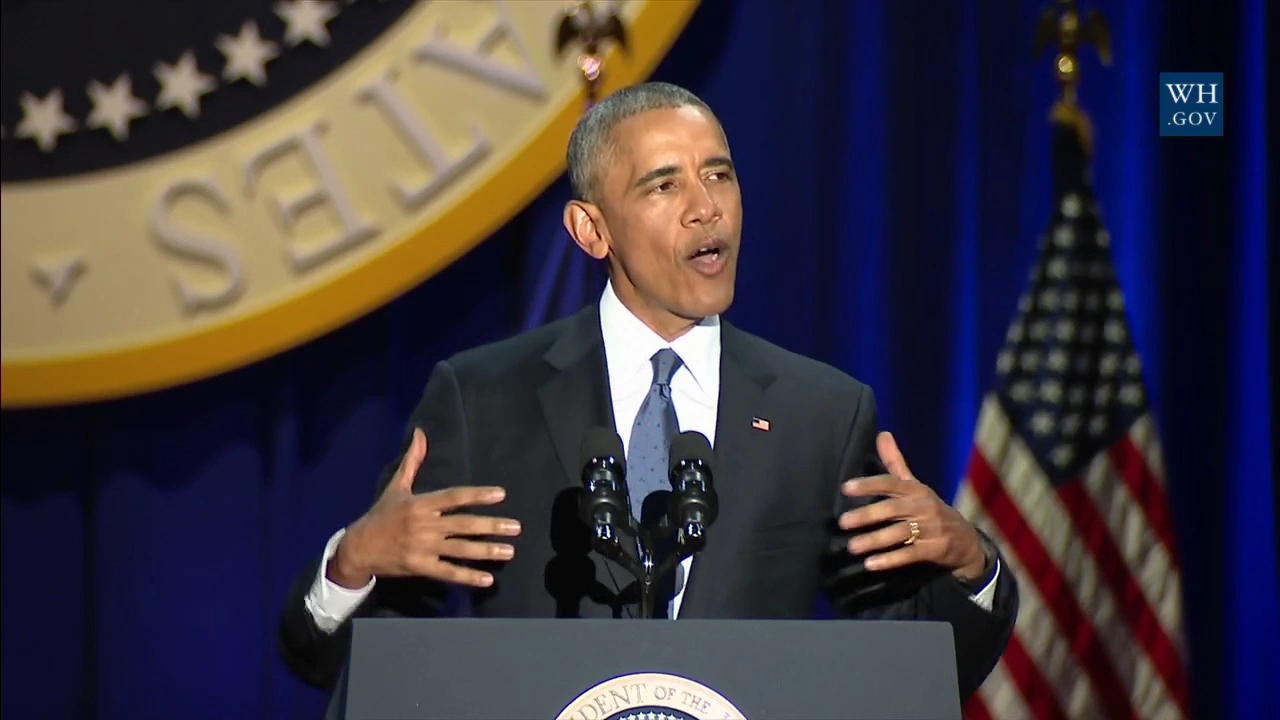
Hello Chicago! It’s good to be home! Thank you, everybody! Thank you. Thank you. Thank you so much, thank you. Thank you. Thank you. It’s good to be home. Thank you. We’re on live TV here, I’ve got to move. You can tell that I’m a lame duck, because nobody is following instructions. Everybody have […]
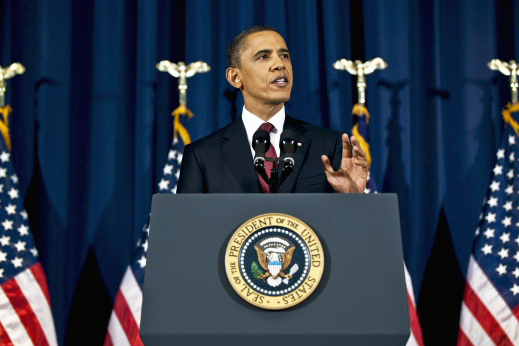
Remarks by the President on the Administration’s Approach to Counter-terrorism The White House Office of the Press Secretary For Immediate Release-December 06, 2016 MacDill Air Force Base, Tampa, Florida THE PRESIDENT: Thank you so much! (Applause.) Thank you. Thank you so much, everybody. Thank you. Everybody, please have a seat. Have a seat. Well, thank […]
For your precious love means more to me Than any love could ever be For when I wanted you I was so lonely and so blue For that’s what love will do Darling, I’m so surprised, Oh, when I first realized That you were fooling me Darling, they say that our love won’t grow I […]
Moves like a fist through traffic Anger and no one can heal it Shoves a little bump into the momentum It’s just a little lump But you feel it In the creases and the shadows With a rattling deep emotion The cool, cool river Sweeps the wild, white ocean Yes boss, the government handshake Yes […]
Senate Minority Leader Harry Reid (D-Nev.) did something today that Democrats should have been doing everyday for the last eight years. He called out Congressional Republicans for their unrelenting obstructionism. History will look back and note that the Republican Congress treated President Obama with unprecedented disrespect. No one expected them to agree with everything that […]
You say vote and someone says: “Democracy is a sham. Those people don’t speak for me. The system is rigged.” You say vote. Someone says: “Well, it doesn’t make a difference. This state is red. Another state is blue. This thing is already a lock.” You say vote. Someone says: “Hey, I’m making a statement […]